Materials for Computing

Introduction

We explore materials for computing, an approach where computation is performed by the physics of matter rather than only by conventional silicon electronics. Using liquid crystal polymers, especially ferroelectric nematic liquid crystals, we develop soft material platforms whose intrinsic polarization, nonlinearity, and reconfigurability can support neuromorphic functions, information encoding, and data-driven inverse design, linking material structure directly to computation and intelligence.

What is happening now

We explore materials for computing, an approach where computation is performed by the physics of matter rather than only by conventional silicon electronics. Using liquid crystal polymers, especially ferroelectric nematic liquid crystals, we develop soft material platforms whose intrinsic polarization, nonlinearity, and reconfigurability can support neuromorphic functions, information encoding, and data-driven inverse design, linking material structure directly to computation and intelligence.

Our Vision for our Research

Our vision is to move computation from rigid electronic circuits into soft, programmable matter, where information processing, memory, and security emerge directly from material physics. By leveraging liquid crystal polymers, we aim to create adaptive material systems that compute, learn, and communicate through their intrinsic structure and dynamics.

Neuromorphic Computing

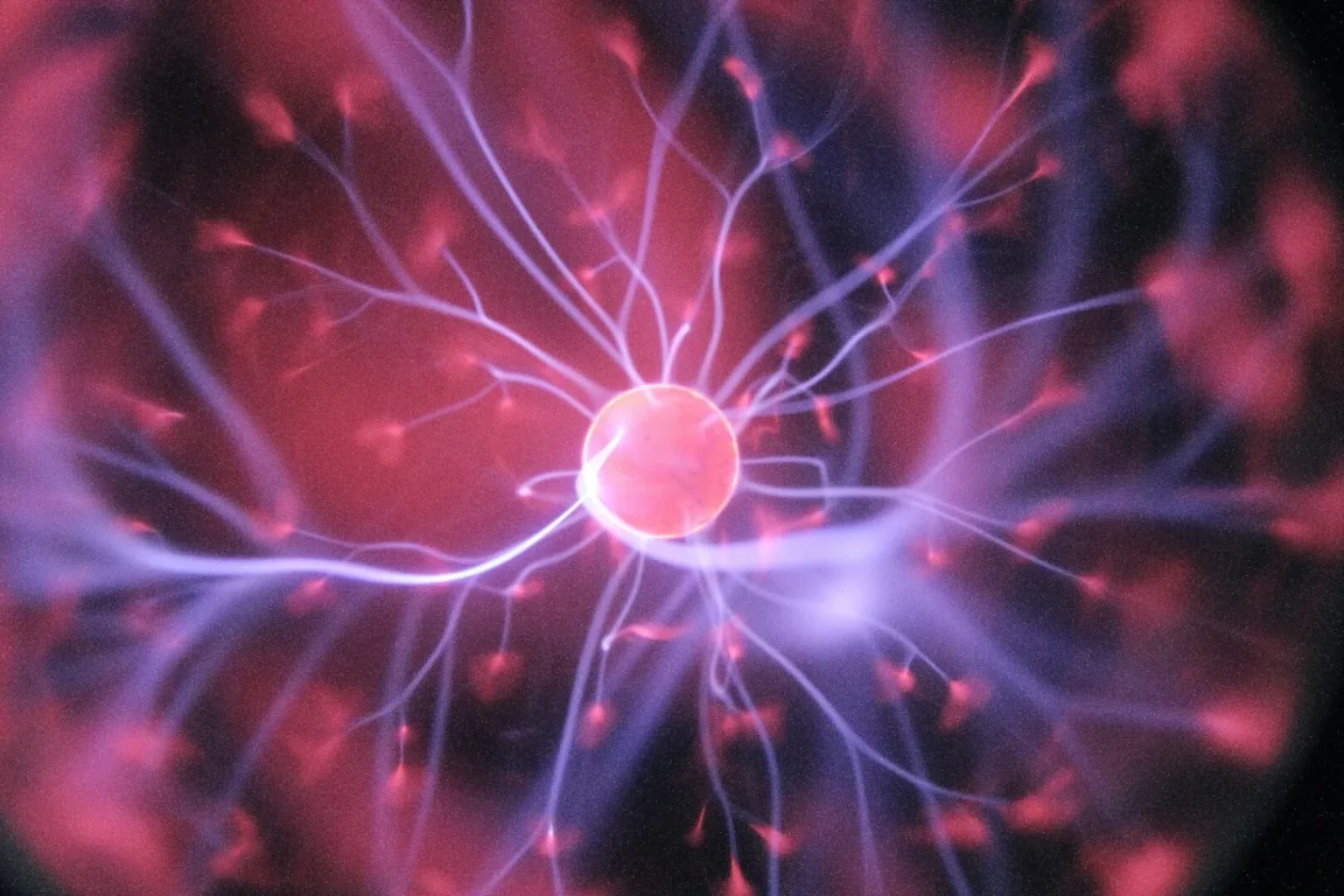
With a particular focus on ferroelectric nematic liquid crystals for neuromorphic computing. Inspired by biological neural communication, these materials offer intrinsic polarization, nonlinearity, and reconfigurability, enabling signal processing and memory functions to emerge directly from material responses rather than from conventional hard electronics.

Encryption Materials

We develop encryption materials where security is embedded in the material’s physical structure—acting as an unclonable fingerprint for authentication and key storage. By engineering polymers and liquid-crystal systems with complex, stimulus-dependent optical or electrical responses, we create lightweight, tamper-evident security layers that are hard to copy.

AI/ML

We integrate machine learning with materials design, using data-driven methods to reverse engineer surface topographies from director patterns, and conversely to infer director configurations from surface images.

Researchers

Meet the people working on this project. For any questions are inquiries contact them.

Researchers

Meet the people working on this project. For any questions are inquiries contact them.