Human
Interactive
Materials
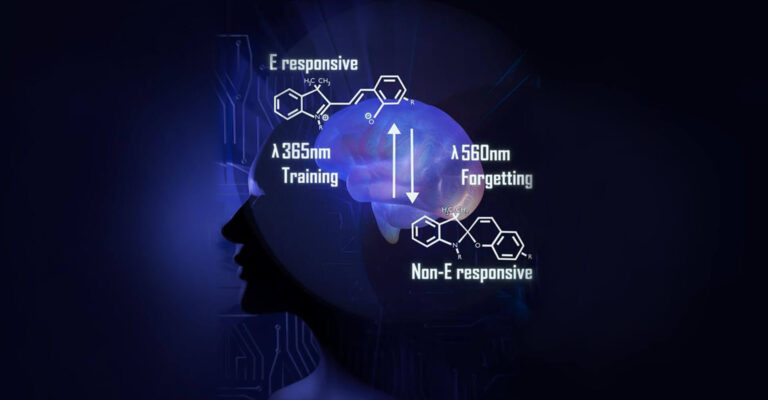
In our lab, we pioneer research in haptics, soft robotics, advanced optics, artificial neurogenesis, and artificial neural-network impulse communications. This is highly multidisciplinary endeavor and we find inspiration working with individuals from many backgrounds, even beyond university institutions. Join us in shaping the future of smart materials.
Building a smarter future with materials that sense, act, communicate, and learn
Discover our latest news
About us
The Lab of Human Interactive Materials (HIM) is a materials-focused research group exploring how advanced materials can enable new forms of interaction between people, devices, and their surroundings. A major part of our work centers on liquid crystal polymers and related material platforms, where we study how structure, processing, and stimulus-responsiveness can be engineered to achieve programmable functions.
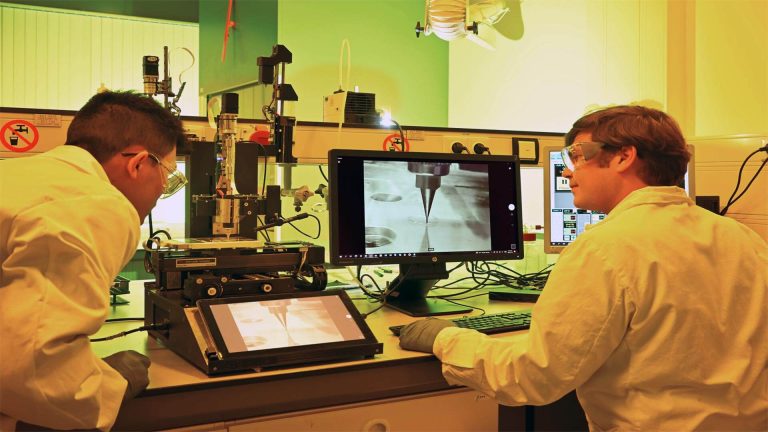
Beyond material development, we build prototypes that translate material capabilities into device- and system-level demonstrations. This approach allows us to connect fundamental material design with practical performance in applications such as haptics, soft robotics, advanced optics, and artificial neural-network communications. HIM is inherently multidisciplinary.
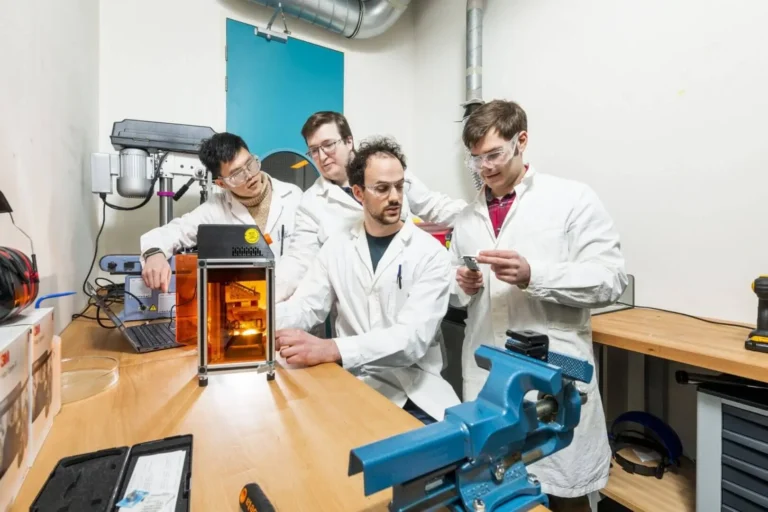
Our team brings together expertise across materials science and chemistry, mechanical engineering, electrical engineering, and design, combining fabrication, characterization, modeling, electronics, and interaction-oriented prototyping to push interactive materials from concept to working technology.
Opportunities
Open for enthusiastic individuals of all backgrounds and educational levels!
At HIM Lab, we offer a range of opportunities that would introduce you to the world of materials science, chemistry and device-building in a hands-on manner. Opportunities are available for enthusiastic individuals of all backgrounds. Amongst our current colleagues we have physicists, materials scientists, chemists, industrial designers, electronic engineers and we are looking forward to welcoming even more varied perspectives! We also have opportunities available for different levels of education, including postdoctoral, PhD and technician positions, bachelor and master projects, student assistants and workers, technical internships and more. Join us at HIM Lab and take advantage of these opportunities to kick-start your career!
Research
Soft Robotics
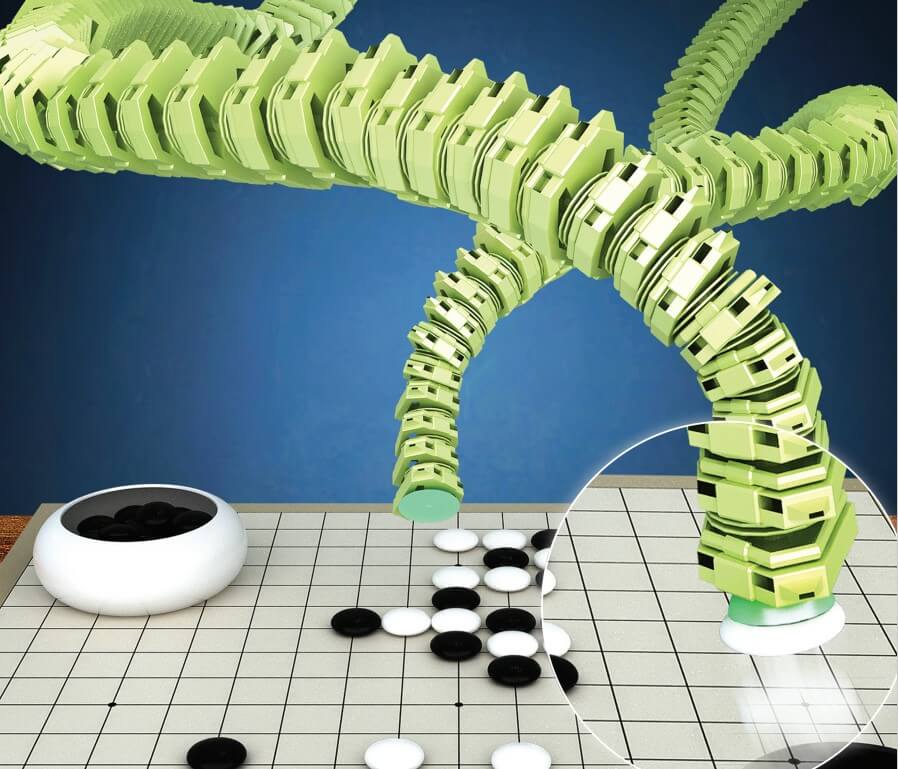
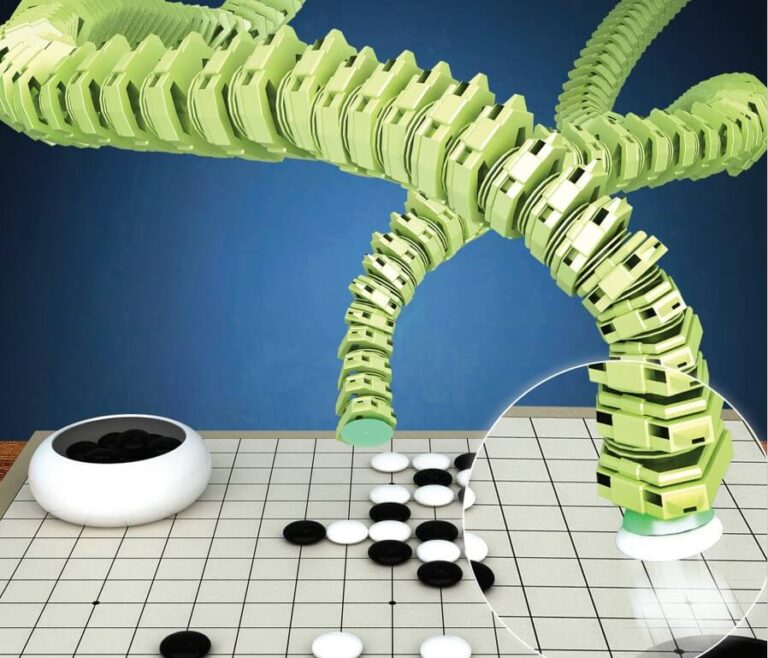
The compliant nature our liquid crystal materials, combined with its responsive actuating behaviour, offers the opportunity to fabricate fully soft single-material robots
Haptics
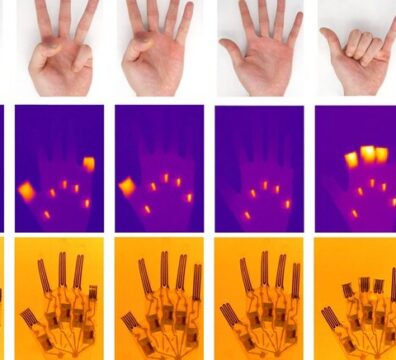
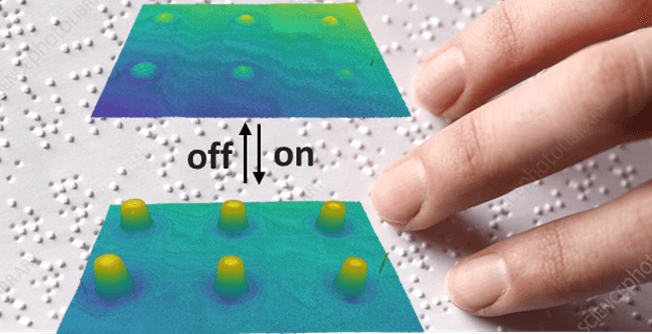
The thin-film capabilities of our liquid crystal materials, offers the capacity to replicate or switch textures for human-machine interaction through haptics.
ANNIC
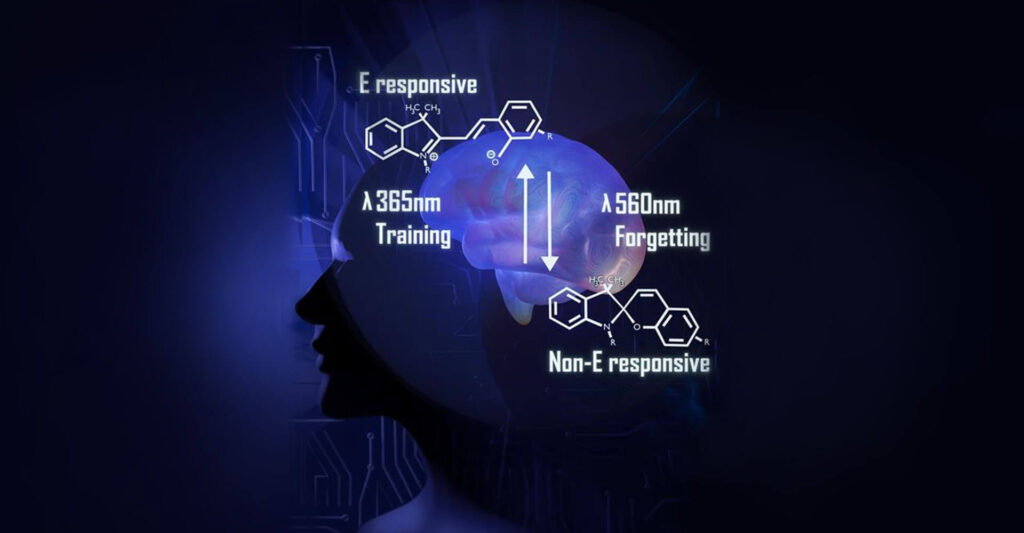
The adaptive properties of our smart liquid crystal materials have the potential to replicate communications within neural links which are found in nature.
Advanced optics
ANNIC is a highly innovative communication technology that represents information as binary impulses, allowing for high-speed and noise-resistant transmission.
Soft Robotics
The thin-film capabilities of The compliant nature our liquid crystal materials, combined with its responsive actuating behaviour, offers the opportunity to fabricate soft single-material robots
Haptics
The thin-film capabilities of our liquid crystal materials, offers the capacity to replicate or switch textures for human-machine interaction through haptics.
ANNIC
The adaptive properties of our smart liquid crystal materials have the potential to replicate communications within neural links which are found in nature.
Advanced optics
ANNIC is a highly innovative communication technology that represents information as binary impulses, allowing for high-speed and noise-resistant transmission.
Partners
Collaboration is a key aspect of the work we do at HIM. We believe that by partnering with other organizations, we can leverage our collective expertise and resources to make a greater impact in the field of human interactive materials. Our partners bring unique perspectives and insights that help us to approach problems from new angles, leading to innovative solutions that would be impossible to achieve on our own. Through these collaborations, we have been able to develop new materials, tools, and techniques that are advancing the smart materials field.